
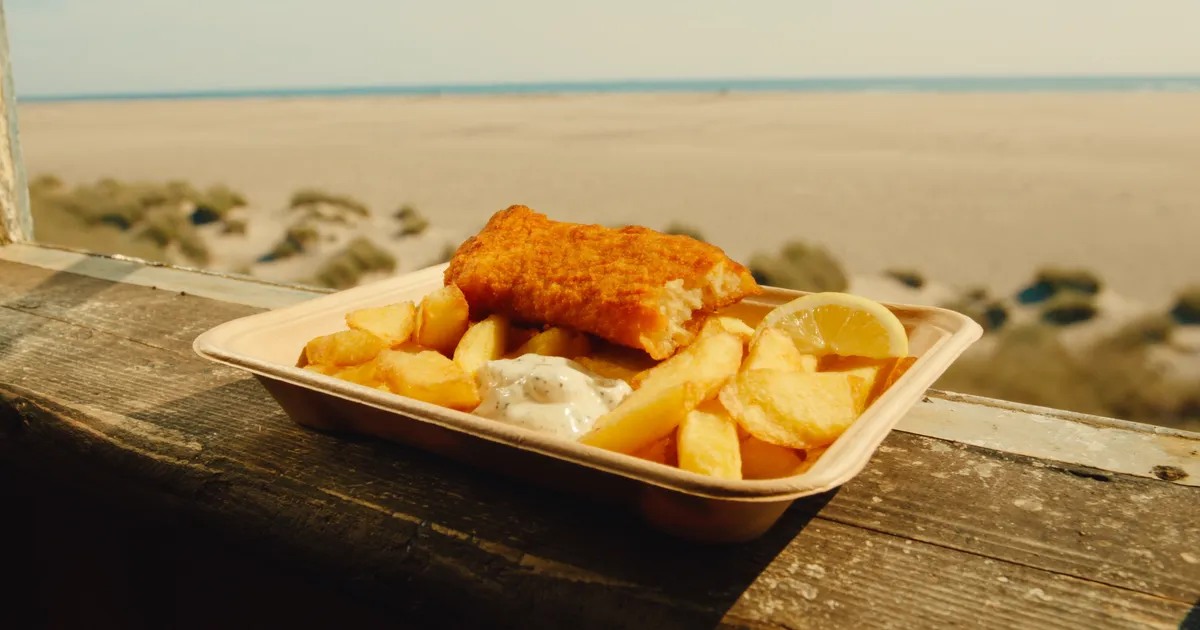
Where to eat fish in Gdansk — a map of districts instead of a ranking
A fried-fish stand by the beach, a restaurant by the Motława, or shopping at Hala Targowa — a practical map of where to eat fish in Gdansk and how not to overpay by weight.
Gdańsk has fish on literally every corner of the coast, and yet the question “where to eat fish in Gdańsk” or “where’s the best fish in Gdańsk” still goes without a clear answer — because the first thing that pops up on Google is usually a TOP 10 ranking full of names that might not exist, or might have changed owners, a year from now. Instead of another list, below is a map of districts and types of places: where to even start looking for good fish, how these places differ from one another, and how to spot a fried-fish stand worth its price before you join the queue.
Fried-fish stands by the beaches — Brzeźno, Jelitkowo, Stogi, Sobieszewo
The simplest and fastest way to get fresh fish by the sea in the Tri-City is a fried-fish stand at a beach entrance. The format is similar everywhere: you order at the window, get your portion on a paper tray, and sit wherever there’s room — on a bench, a low wall, or straight on the sand. This is seasonal catering: full menus and long hours run from late spring to early autumn, and out of season some of the stands are shut completely.
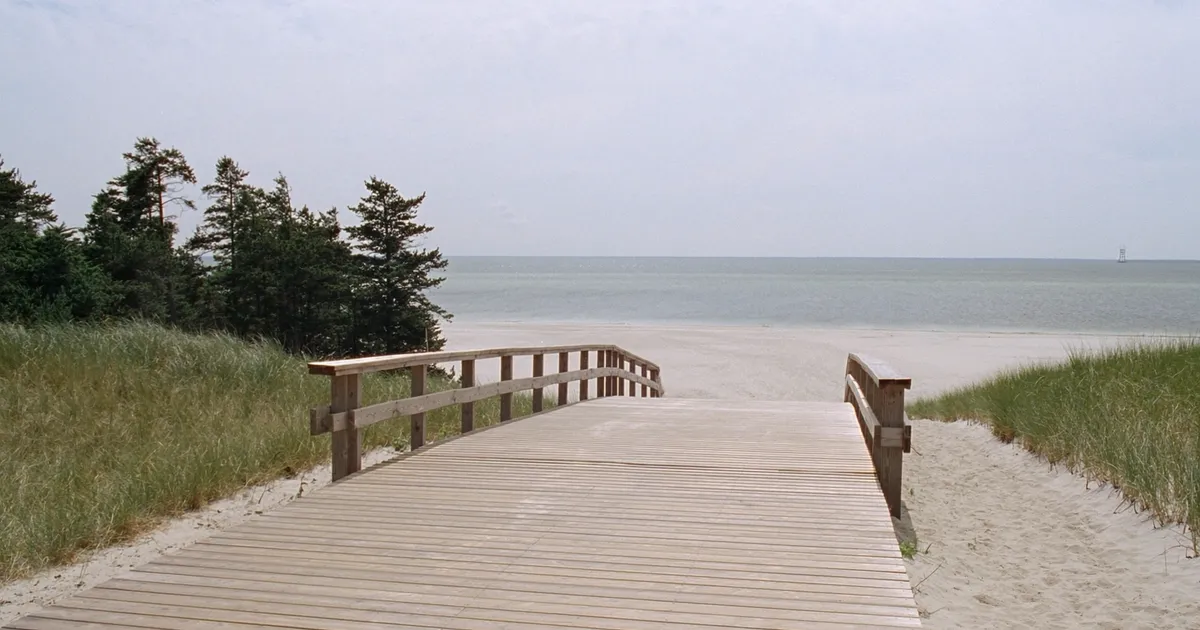
Gdańsk’s four beaches have fried-fish stands in varying density. Brzeźno has the most, and the densest cluster, because it’s the most gastronomically developed promenade in the city — we’ve written more about the beach itself and the pier in → Brzeźno beach in Gdańsk. Jelitkowo has a similar, though somewhat more modest, row of stands close to the beach entrance. Stogi is quieter and less densely packed with places to eat, but you won’t queue at the window in the middle of the season either. Sobieszewo, the furthest east, has individual stands scattered along more than 11 kilometres of coastline — we covered it alongside the nature reserves and the seals in → Sobieszewo Island. You’ll find a full comparison of access and crowds across all four beaches in → Beaches in Gdańsk — a ranking.
Nowy Port and Górki Zachodnie — closer to the fishing hinterland
Another area worth knowing about lies on the other side of the port — Nowy Port and the neighbouring Górki Zachodnie. This isn’t a dense promenade with a row of stands like Brzeźno, but a district that lived off the sea in the literal sense for decades: the port-and-fishing character is still visible today in the architecture and street names, such as Rybołowców Street, with its distinctive buildings once home to fishing families. Górki Zachodnie, in turn, traces back to a fishing settlement (the former Westlich Neufähr), before it was destroyed by a flood in 1840, when the Vistula breached its embankments — today it’s more of a sailing hinterland than a culinary one, with a handful of marinas and boating clubs.
If you’re after a fried-fish stand with a huge choice and a short queue, this isn’t your first stop — the density of places to eat is noticeably lower here than around Brzeźno or Jelitkowo. But if a less touristy, more local atmosphere close to genuine port infrastructure appeals to you, it’s worth knowing this stretch of coast exists at all — most visitors to Gdańsk never make it here.
The Main Town and Długie Pobrzeże — restaurants with a view and a tourist price tag
In the centre, along the Motława, fish comes in a completely different format: not a stand with a tray, but a restaurant with a table, a waiter, and a view of the Żuraw or the granaries on Ołowianka. This is also the only place in this rundown where fish has a genuine urban history — a square by the Motława on the edge of the Old Town, by the former Teutonic castle, still carries the name Targ Rybny (Fish Market) to this day, because the fish trade was concentrated right there from the Middle Ages, under a privilege of 1343.
Prices in this zone are noticeably higher than at the beach or at the market, and the closer you get to Długi Targ and the main promenade, the more the bill starts to reflect the location rather than just the food. One or two streets back from the embankment usually gets you the same quality for less. We’ve written in more detail about the specific tourist traps in this part of the city — and about where in the Main Town to get herring from the barrel — in → Where to eat in Gdańsk — gastro guide.
Hala Targowa and local markets — buy the fish, fry it yourself
If you’re staying in an apartment with a kitchenette, you have an option a hotel guest doesn’t: buying fish and preparing it yourself, at your own pace, with no queuing at a window. Hala Targowa by Plac Dominikański — a neo-Gothic building from the late 19th century, a few minutes’ walk from Długi Targ — has fish stalls on the ground floor alongside bread, dairy and meat. The selection can be uneven: some fish is local, some is frozen and imported, so ask the seller directly before you buy, rather than assuming.
The best selection is in the morning, before the more popular species sell out — Saturdays tend to be busier than weekdays. The same kitchenette that serves for summer breakfasts and beach sandwiches also works brilliantly in the evening for a self-fried flounder or cod — cheaper than a restaurant and with no wait for a table. The Bastion Wałowa apartments have the shortest journey from here of all the Mint locations — a few minutes on foot from Plac Dominikański.
Which area to choose — a quick comparison
| Area | Format | Approximate price | When it’s open | Who it’s for |
|---|---|---|---|---|
| Beaches (Brzeźno, Jelitkowo, Stogi, Sobieszewo) | Stand, paper tray | roughly 100 g of fish: low teens to mid-twenties zł | Seasonal, mostly spring-autumn | A quick meal straight off the beach, no reservation |
| Nowy Port / Górki Zachodnie | Individual venues, less touristy | Varies, check on the spot | Year-round, lower density | Local atmosphere, close to the port |
| Main Town / Długie Pobrzeże | Restaurant, waiter, view of the Motława | Noticeably higher than by the beach | Year-round | A dinner out, an evening with a view |
| Hala Targowa and local markets | Stall, you buy raw fish | Depends on species and season | Mornings, calmer on weekdays | Cooking in your own kitchen |
How to spot a good fried-fish stand
A few practical signals to look for before you join the queue:
- A queue of locals, not just tourists. If, midweek and outside peak season, locals keep coming back — that’s a good sign. Places that live purely off one-off tourist footfall tend to care less about quality in the long run.
- Fish sitting on ice, not just in a photo. It’s worth checking whether the raw fish is sitting on ice in a chilled display case near the pan, rather than only appearing in a photo on the menu. Asking “where’s today’s fish from” and getting a specific answer is a better sign than the prettiest sign above the counter.
- Priced per 100 g, not per piece — watch the bill. Most fried-fish stands on the Polish coast charge by weight, usually per 100 grams before breading, not per portion or per piece. As a rough guide: popular species (flounder, cod) fall into a wide band of roughly ten-something to twenty-something złoty per 100 g, premium species (salmon, halibut, zander) noticeably more. A standard portion weighs 250-300 g, so before you order, ask about the weight or request a price for the whole piece — it’s easy to be caught out at the end if you’ve been mentally pricing it per piece instead of by weight.
Seasonality — what’s local and what’s frozen
This is a place to be wary of promises, because the reality of Baltic fishing is more complicated than signs saying “fresh fish from the Baltic” suggest. Flounder is in season roughly from June to early autumn, and it’s the fish most often on the pan as genuinely local. Herring appears in waves in spring and autumn, though the frozen or marinated version is available practically year-round. Baltic cod is a different story — since 2020 there’s been a ban on targeted commercial fishing because of the dire state of the stock, with only a small allowance for bycatch. In practice that means the cod on most Gdańsk plates is imported, not from the Bay of Gdańsk — the mere fact that a menu offers it doesn’t mean it’s local fish. Salmon is similar — wild Baltic salmon is rare, so what you see in a restaurant is usually farmed or imported.
That doesn’t mean frozen or imported fish is worse — properly thawed and freshly prepared, it still tastes good. The point is not to automatically assume “by the sea, so it’s local.” If you specifically want what was actually caught in the Baltic, the simplest thing is to ask directly when ordering — a good fried-fish stand or restaurant will give you a specific answer, not a vague one.
Where to stay so your fish plan makes sense
Which district you choose for your stay genuinely affects how much of this map you’ll manage to check out without losing half a day to travel. For the shortest route to the beach fried-fish stands, → Seaside in Letnica wins — it’s the same stretch of coast as Brzeźno, a few minutes on foot or by bike along the promenade. For the shortest route to Hala Targowa and the restaurants along the Motława, → Bastion Wałowa is most convenient, within walking distance of the Main Town and Długie Pobrzeże. Apartments at → DOKI sit in the middle distance-wise — further from the beach, but that’s not a problem if your day’s plan revolves mostly around Młode Miasto anyway.
A good day with fish on the plate starts with where you wake up in the morning — see → Mint apartments near the beach or message our concierge (rezerwacje@mintapartments.pl, WhatsApp +48 797 412 679), and we’ll match the location to your plan for the day: the beach, the Main Town, or shopping at Hala Targowa.
Frequently asked questions
- Where's the fastest place to get freshly fried fish in Gdańsk?
- The fastest option is by the beach — in Brzeźno, Jelitkowo, Stogi or on Sobieszewo Island there are seasonal fried-fish stands with a serving window and a paper tray, no reservation and no waiter. This format mostly runs from late spring to early autumn; out of season, some of the stands are closed.
- Do Gdańsk's fried-fish stands charge by weight?
- Usually, yes — the price given is per 100 grams of fish before breading, not per portion or per piece. A standard portion weighs 250-300 g, so it's worth asking about the weight or the price of the whole piece before ordering, to avoid a surprise on the bill.
- Does the cod served in Gdańsk's restaurants come from the Baltic?
- Usually not. Since 2020 there's been a ban on targeted cod fishing in the Baltic because of the poor state of the stock, with only a small allowance for bycatch. In practice, most of the cod on Gdańsk's plates is imported — if you specifically want fish actually caught locally, ask directly when ordering.
- Where in Gdańsk can you buy fresh fish to cook yourself?
- You'll find fish stalls at Hala Targowa by Plac Dominikański, a few minutes from Długi Targ — the best selection is in the morning, before the more popular species sell out. This is a practical option for guests staying in an apartment with a kitchenette, most conveniently from the Bastion Wałowa location.
Help me book an apartment
The AI concierge matches an apartment to your plans — dates, party size, district. Replies in seconds.
Apartments that fit this stay
.webp)
Komfortowy apartament przy plaży
- 1 bedroom
- 2 beds
- 4 guests
- 32 m²
A comfortable apartment in Letnica with air conditioning — 32 m², bedroom with a cosy bed, fully equipped kitchen, fast Wi-Fi and Smart TV. To the Brzeźno beach: 10 minutes' walk. To Galeria Metropolia shopping centre: 5 minutes on foot. To Polsat Plus Arena: 10 minutes' walk. Air conditioning is the differentiator here — rare at this price point in Gdańsk, and invaluable on a hot August afternoon. Parking and garage on-site. Perfect for a couple or small family wanting a seaside base with beach, shopping and the stadium all within easy reach.
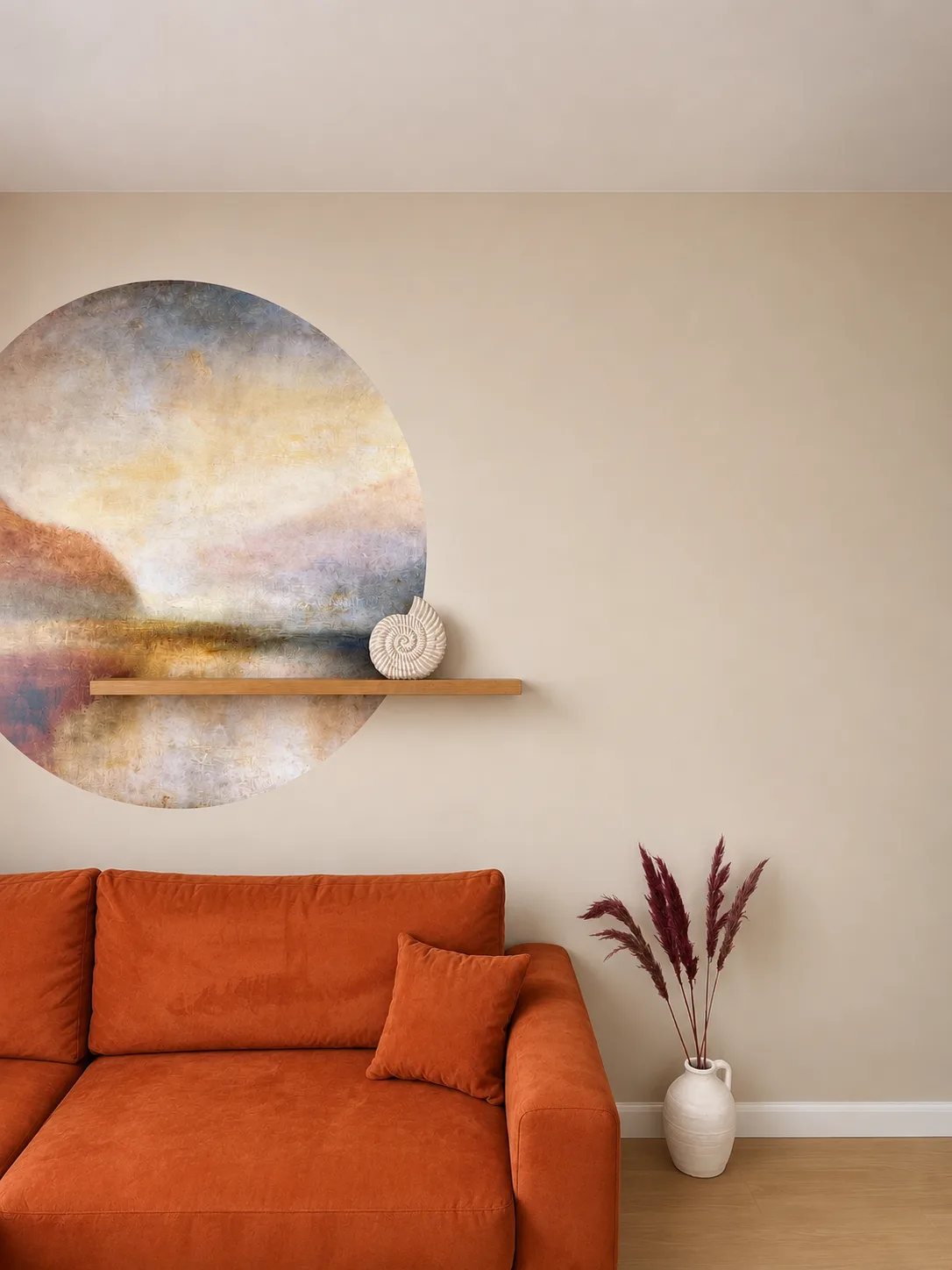
Mint Apartments Seaside
- 1 bedroom
- 2 beds
- 4 guests
- 48 m²
Mint Apartments Seaside — a premium apartment in the seaside part of Gdańsk. 5 minutes from Brzeźno beach, 5-15 minutes from Polsat Plus Arena, 15-20 minutes by tram to the Old Town. Full kitchen, balcony, parking. Ideal for family, business or event stays.
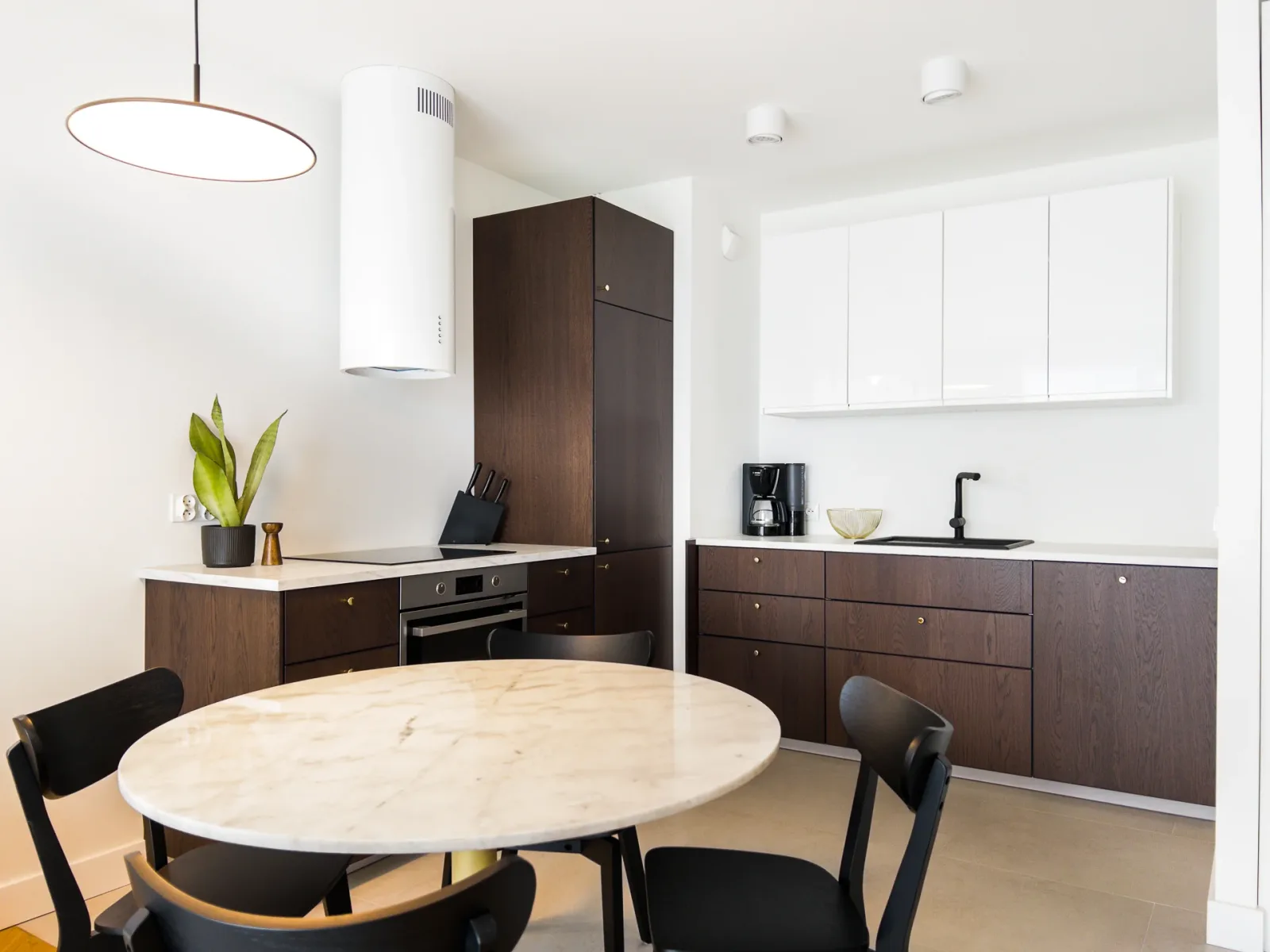
Mint Apartments Premium Seaside
- 1 bedroom
- 2 beds
- 4 guests
- 44 m²
Premium apartment on Letnicka — 44 m², balcony with sea views, underground garage. Fully equipped kitchen, coffee maker, washing machine, Smart TV. For 2–4 guests. Brzeźno beach 1.3 km (15 min on foot), Polsat Plus Arena 10 min, tram to the Old Town 15 min. View from the balcony in the morning, from the sofa in the evening.
Liked these topics?
Monthly guide to Gdańsk — events, new places, our apartments and their availability. No spam, just one email.
Related posts

Where to Eat in Gdansk in 2026 — A District-by-District Guide
Where to eat in Gdansk – from the food hall at DOKI to pickled herring on Stare Miasto, no tourist traps with „tourist„ in the name.
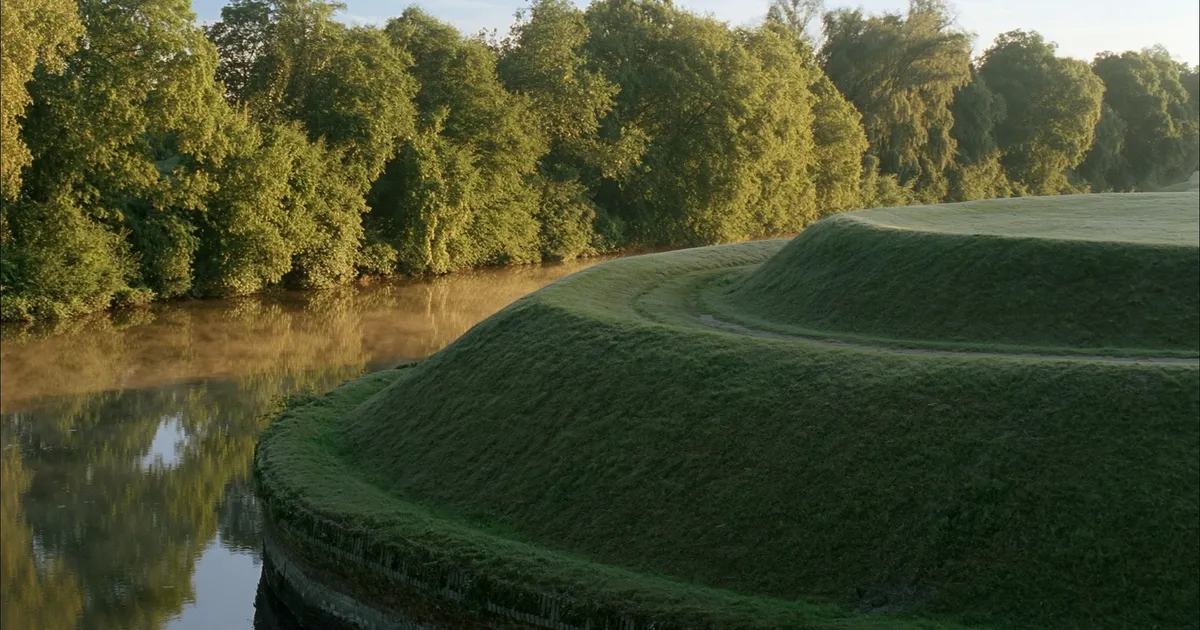
Dolne Miasto in Gdansk — What to See Away from the Old Town Crowds
The bastions, Śluza Kamienna and the Opływ Motławy canal — minutes from Długi Targ, barely in guidebooks. What to see and where to start the walk.
Gdansk for People with Disabilities — A Barrier-Free Guide
Transport, the Old Town, beaches, and museums with lifts — a tested guide to accessibility in Gdansk for people with disabilities and reduced mobility.