
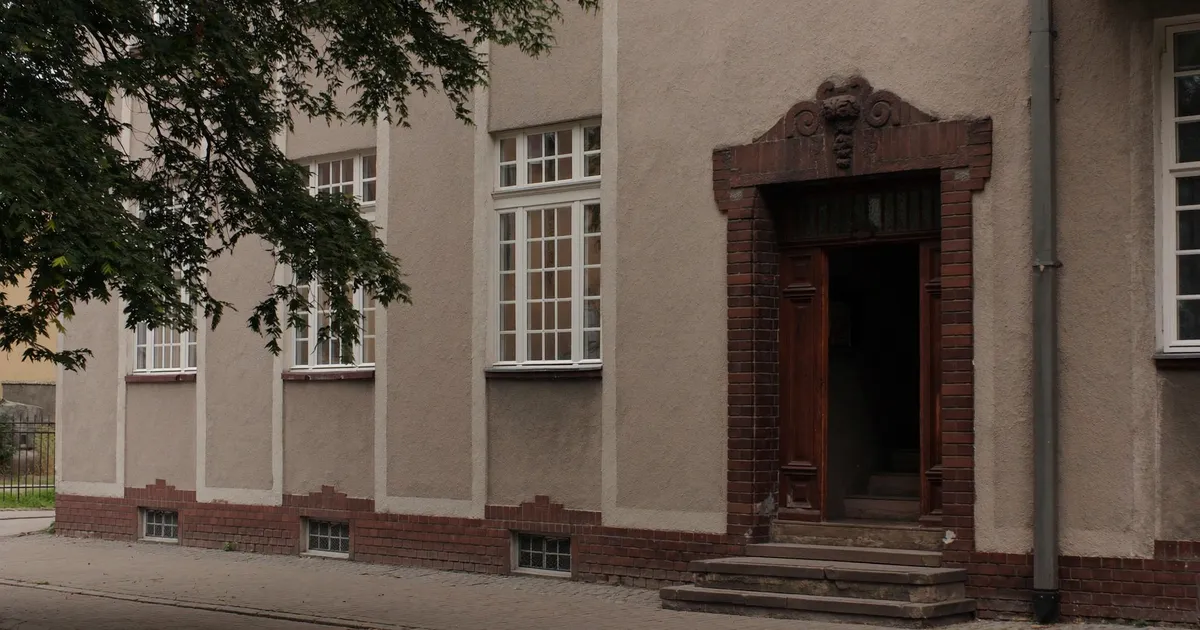
The Free City of Danzig, 1920–1939 — What Traces You Can Still See Today
The Free City of Danzig disappeared from the map in 1939, but its traces still stand in the city. Here's exactly what you'll see, and how to turn it into a route.
The “Free City of Danzig” comes up in almost every account of the city’s history, but few explain what it actually meant — and fewer still show where, walking around Gdansk today, you can actually see its traces. It was a political entity that existed only from 1920 to 1939: not Germany, not Poland, but an autonomous city-state under League of Nations supervision. Here’s exactly what it was, how it came into being, and how it ended — and, above all, which buildings, squares, and museums let you see that history with your own eyes, and how to turn them into a sensible route.
What the Free City of Danzig actually was
The Free City of Danzig (German: Freie Stadt Danzig) was a separate political entity — part of neither Germany nor Poland. It had its own constitution, approved by the League of Nations, its own anthem, a single-chamber parliament (the Volkstag) and government (the Senate), its own police force, and, from 1923, its own currency — the Danzig gulden, which replaced the devalued German mark — along with its own postage stamps. The large majority of residents spoke German, and that shaped the city’s everyday life.
At the same time, the Free City was not fully sovereign: it had no army of its own and no independent foreign policy. Oversight rested with the League of Nations, represented locally by a High Commissioner. Poland, in turn, held specific, clearly defined rights within the city: a customs union, its own postal service, its own schools, and — which turned out to be pivotal for the events of 1939 — the right to operate a military transit depot on Westerplatte. In other words, this wasn’t “simply a German city” or “simply a Polish city,” but a complicated, dual-authority compromise, designed to reconcile the German-speaking majority with the need to give the newly restored Polish state access to the sea.
The Free City also covered a much larger area than Gdansk itself — its full territory measured close to 2,000 km² and stretched from Sopot (then the separate municipality of Zoppot) to the rural areas of what is now the Żuławy region. Oliwa, today a district of Gdansk, was a separate town within the Free City’s borders until 1926, when it was administratively incorporated into Gdansk. The entire border, roughly 290 kilometres long, was marked by 740 granite boundary posts — some of them, now heavily weathered, still stand in the landscape, though they’re more a destination for history enthusiasts than a stop on a typical walking route.
How it began, and how it ended
The Treaty of Versailles, signed on 28 June 1919, provided in Article 100 for Danzig and the surrounding area to become a separate entity under League of Nations supervision — that was a treaty decision, not yet an accomplished fact. The Free City of Danzig itself was formally established later: it was proclaimed on 15 November 1920. These two dates are sometimes confused or merged into one in various accounts — it’s worth keeping them separate: 1919 was the decision, 1920 was when the state actually came into being.
For its first decade, the Free City functioned as a relatively stable, multilingual economic entity, living mainly off the port and transit trade. That changed after 28 May 1933, when the NSDAP won 38 of the 72 seats in the Volkstag elections — an absolute majority. The new Senate, dominated by the National Socialists, systematically took over one city institution after another; from October 1933, the Senate was made up entirely of NSDAP members. The de facto local leader, Albert Forster, who styled himself Gauleiter of the Free City, openly pushed for its incorporation into Germany.
The successive League of Nations High Commissioners responded to this in different ways, which is also part of the story. The Irish diplomat Seán Lester, Commissioner from 1934 to 1937, openly opposed the NSDAP-dominated Senate’s breaches of the Free City’s constitution and reported these violations to Geneva — with little effect; he was recalled from his post in February 1937. His successor, the Swiss diplomat Carl Jakob Burckhardt, held the office right up to the end, until 1 September 1939, when the Free City’s authorities declared its incorporation into the Third Reich — bringing just under nineteen years of separate statehood to a close.
Timeline — legal status and what’s left of it
| Period | Legal status of the city | Visible trace today |
|---|---|---|
| 1919 | Treaty of Versailles provides for the creation of the Free City | — |
| 1920–1933 | Autonomous city-state under the League of Nations | Nowy Ratusz (Wały Jagiellońskie 1), the Polish Post Office, the lighthouse in Nowy Port |
| 1933–1939 | Real power held by the local NSDAP, formally still under the League of Nations | Wielki Wrzeszcz’s residential buildings from this decade |
| 1 Sep 1939 | Incorporation into the Third Reich, end of the Free City | Westerplatte, the Polish Post Office building |
| From 1945 | City within Poland’s borders | — |
Traces in the centre — a route you can walk
Several of the most important traces of the Free City stand in the city centre, within walking distance of one another. The Nowy Ratusz (New Town Hall) at Wały Jagiellońskie 1 — formerly the headquarters of a Prussian army corps command — served from 1920 to 1939 as the seat and office of the successive League of Nations High Commissioners in the Free City of Danzig. Today it houses Gdansk’s City Council; you view the building from the outside, walking along Wały Jagiellońskie toward the train station. One of the rooms inside (no. 003) is now named after Seán Lester — the High Commissioner whose clash with Danzig’s National Socialists we cover above.
A dozen or so minutes’ walk from here, on Plac Obrońców Poczty Polskiej, stands the building of the former Polish Post Office — which operated in the Free City under Polish postal rights, and was attacked on 1 September 1939. The square itself, with its monument to the defenders, and the building’s facade are open public space; the museum inside has been closed for renovation since January 2025, with reopening planned for September 2026 — check the current status at muzeumgdansk.pl before your visit.
The third stop is the Main Town Hall, the principal seat of the Museum of Gdansk, where you’ll find exhibits covering various periods of the city’s history, including the inter-war years. The museum is currently preparing a new, comprehensive department devoted to the whole history of Gdansk, so it’s worth checking on site or on the museum’s website beforehand exactly what the current exhibition covers — including whether the Danzig gulden or Free City postage stamps happen to be on display. This same route overlaps largely with the Royal Route, which we’ve covered step by step in → The Royal Route in Gdansk.
Traces beyond the centre — Westerplatte, Nowy Port, Wrzeszcz
Westerplatte is the best-known trace of the Free City — a peninsula where, under a 1924 League of Nations resolution, Poland operated a Military Transit Depot, which was attacked on 1 September 1939. The ruins of the barracks and the monument to the defenders are today part of the → Museum of the Second World War; we’ve covered how to get there and how much time to plan separately in → Westerplatte — how to get there and visiting.
On the way to Westerplatte, in the district of Nowy Port, stands a working lighthouse from 1893–1894 — older than the Free City itself, but standing within its territory for the entire period of its existence, with a viewing gallery looking out over Westerplatte and the Bay of Gdansk. The lighthouse is open to visitors seasonally, for a ticket; check its current hours and visiting rules directly on its own website before you go, as they change over the course of the year.
If you have more time, it’s worth a look at Wielki Wrzeszcz too — a quarter of townhouses and villas around today’s Kościuszki, Chrobrego, Legionów, and Hallera streets, built in exactly the 1920s and 1930s, when this part of the city was called Neu-Langfuhr. The buildings survived the war relatively intact and today form an ordinary residential district — with no museum plaques, but with architecture that dates directly from the Free City years.
Can you cover this in half a day?
The three stops in the city centre — the Nowy Ratusz, the Post Office, and the Main Town Hall — fit comfortably into 2–3 hours of walking, since at most a dozen or so minutes on foot separates them. If you add Westerplatte and Nowy Port, plan on a full day: getting there one way (by bus, bike, or the seasonal water tram from the Motława) takes about half an hour, and visiting Westerplatte itself takes another hour or more. Wrzeszcz is most conveniently folded in on the way to or from Gdańsk Główny station, since it’s just a few SKM stops from the city centre.
The most logical order: start with the Nowy Ratusz and the Post Office in the centre, have lunch in Główne Miasto, and set the afternoon aside for Westerplatte and Nowy Port — the late-afternoon light works well from the lighthouse gallery, looking out over the bay.
Where to see more, and read on
Beyond the places listed above, everyday objects from the Free City — the Danzig gulden, postage stamps, official documents — appear periodically in temporary exhibitions at the Museum of Gdansk and local historical societies. If you’re specifically interested in seeing coins or stamps, ask directly at the Main Town Hall what’s currently on display — temporary exhibitions change several times a year. The next chapter of the city’s 20th-century history — the post-war one, tied to Solidarity — is on the other side of the centre, at the former Gdansk Shipyard: we’ve written about it in → Gdańsk Shipyard and the ECS — a walk through Młode Miasto.
Bastion Wałowa is the most convenient base for this route. The → Bastion Wałowa apartments are a few minutes’ walk from the Nowy Ratusz, the Post Office, and Główne Miasto, and of all the Mint locations, this one also puts you closest to Westerplatte and Nowy Port. Questions about the route or getting there? Message our concierge: rezerwacje@mintapartments.pl, WhatsApp +48 797 412 679.
Frequently asked questions
- What was the Free City of Danzig?
- A separate political entity that existed from 1920 to 1939, part of neither Germany nor Poland. It had its own constitution, a single-chamber parliament (the Volkstag), a government (the Senate), its own currency and postage stamps, and remained under the supervision of the League of Nations, represented locally by a High Commissioner. Poland held separate rights within its territory: a customs union, its own postal service, and the right to a military transit depot on Westerplatte.
- Was the Free City of Danzig German or Polish?
- Neither, in a straightforward sense. The large majority of residents spoke German, and everyday life reflected that, but the city didn't formally belong to Germany, and Poland held specific, clearly defined economic and postal rights within its territory. It was a compromise between the city's German-speaking majority and the need to give the newly restored Polish state access to the sea.
- What actually remains of the Free City of Danzig to see today?
- Among other things: the former seat of the League of Nations High Commissioner — today the Nowy Ratusz (New Town Hall), home to Gdansk's City Council on Wały Jagiellońskie — the building and square of the former Polish Post Office, the ruins of the Polish Military Transit Depot on Westerplatte, the lighthouse in Nowy Port, and the residential architecture of Wielki Wrzeszcz from the 1920s and 1930s.
- How long does it take to see the traces of the Free City of Danzig?
- The stops in the city centre alone — the Nowy Ratusz, the Post Office, and the Main Town Hall — take 2–3 hours at an easy walking pace. If you add Westerplatte and Nowy Port, it's worth setting aside a full day, counting travel time both ways plus time to look around.
Help me book an apartment
The AI concierge matches an apartment to your plans — dates, party size, district. Replies in seconds.
Apartments that fit this stay
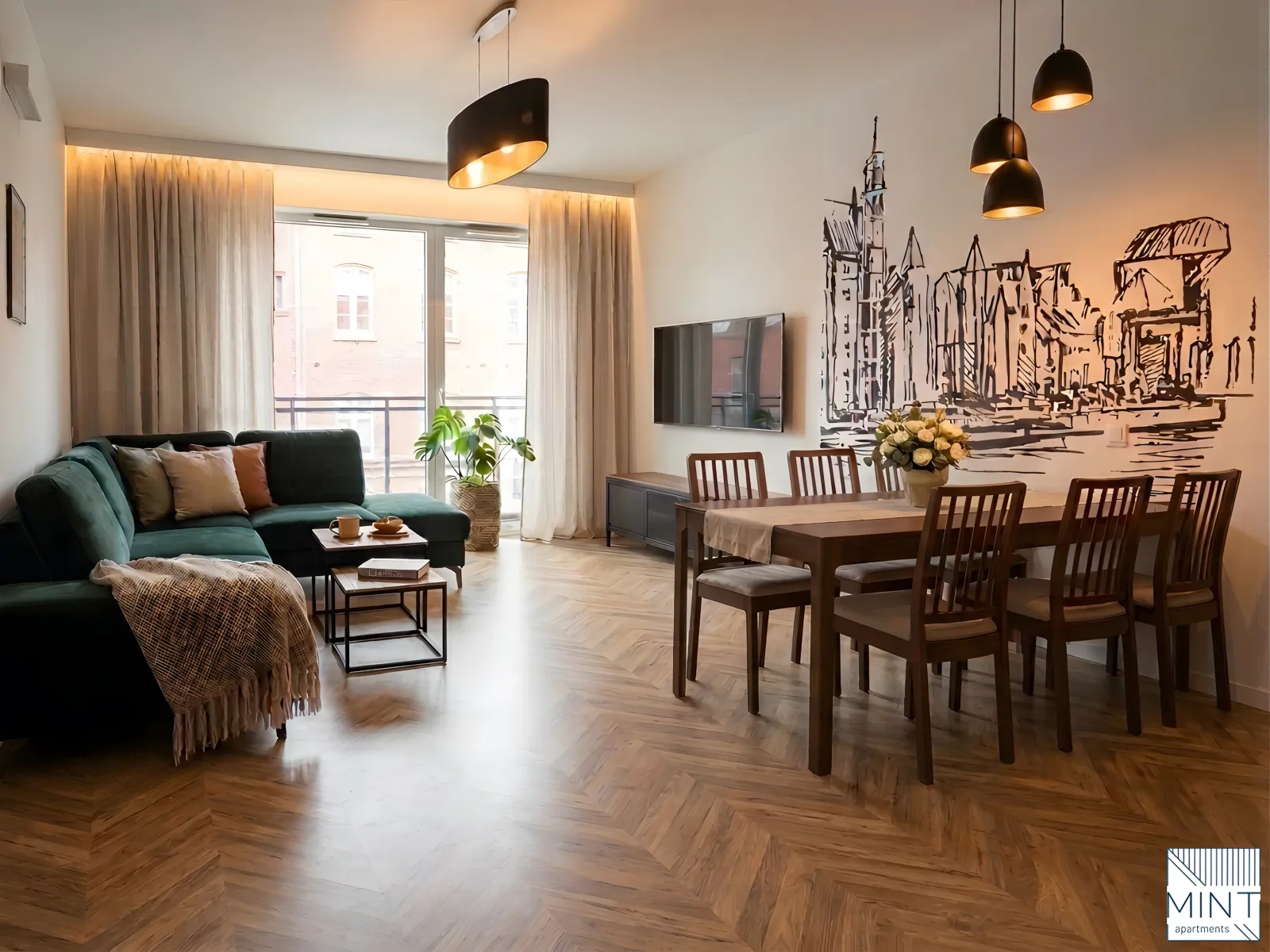
Apartament Bastion Wałowa z dwiema sypialniami
- 2 bedrooms
- 3 beds
- 6 guests
- 65 m²
A spacious two-bedroom apartment with two bathrooms and a balcony right in the heart of Gdańsk on Wałowa Street — 65 m² for up to 6 guests. Balcony overlooking Wałowa Street and the historic Śródmieście quarter. Długi Targ is 400 metres on foot. Fully equipped kitchen with coffee maker, Smart TV, fast Wi-Fi, washing machine and oven. Underground garage. The largest Mint apartment in the Bastion Wałowa location — the top pick for families and groups of friends.
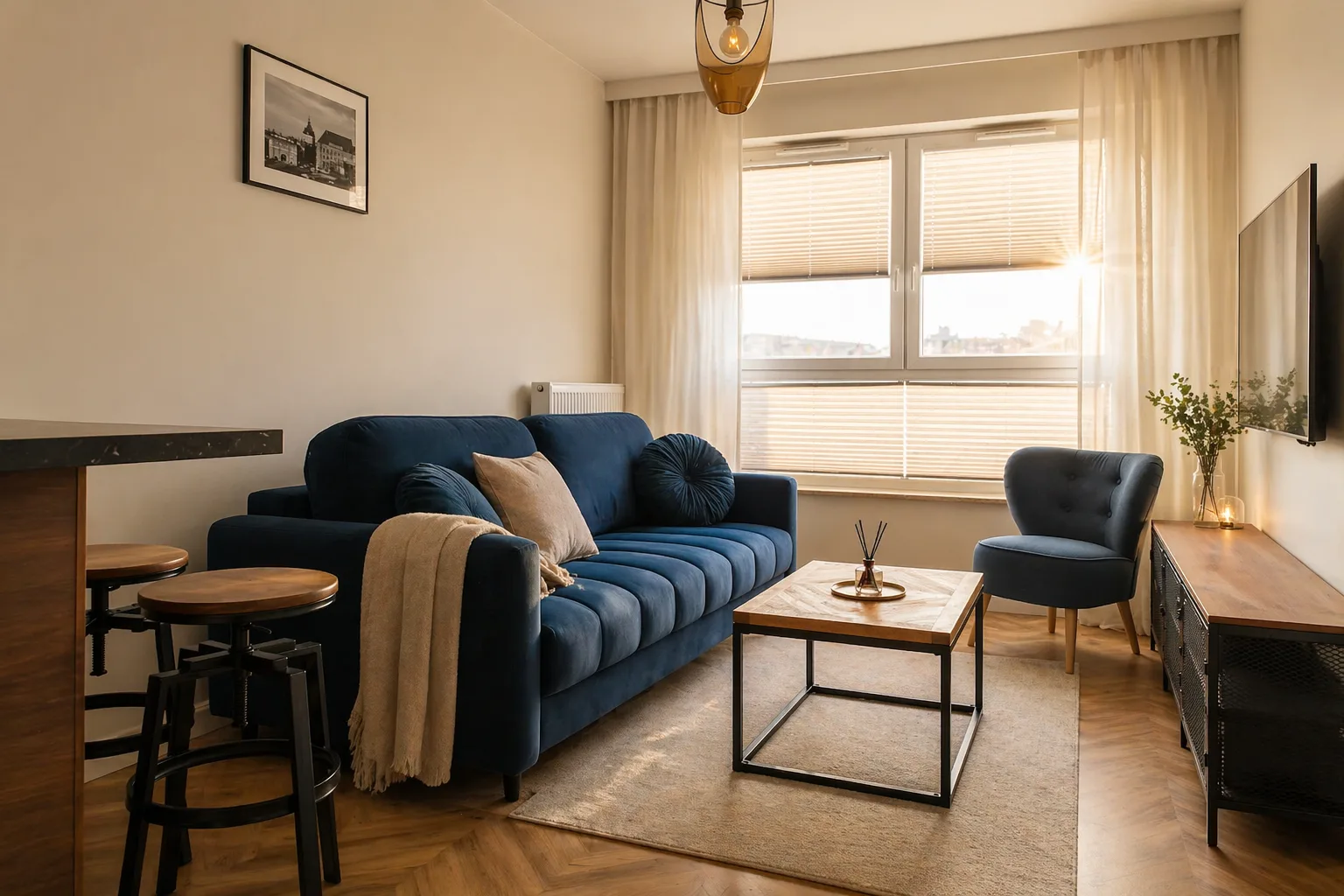
Apartament Suite Bastion Wałowa
- 1 bedroom
- 2 beds
- 4 guests
- 37 m²
A suite apartment right in the heart of Gdańsk on Wałowa Street — 37 m², bedroom with a king-size bed, fully equipped kitchen with coffee maker, fast Wi-Fi and Smart TV. 5 minutes' walk to the Old Town, 7 minutes to Długi Targ. Modern finish in the new wing of the Bastion Wałowa complex, lift and underground garage. Ideal for a couple or small family wanting quiet comfort in the historic centre of Gdańsk.
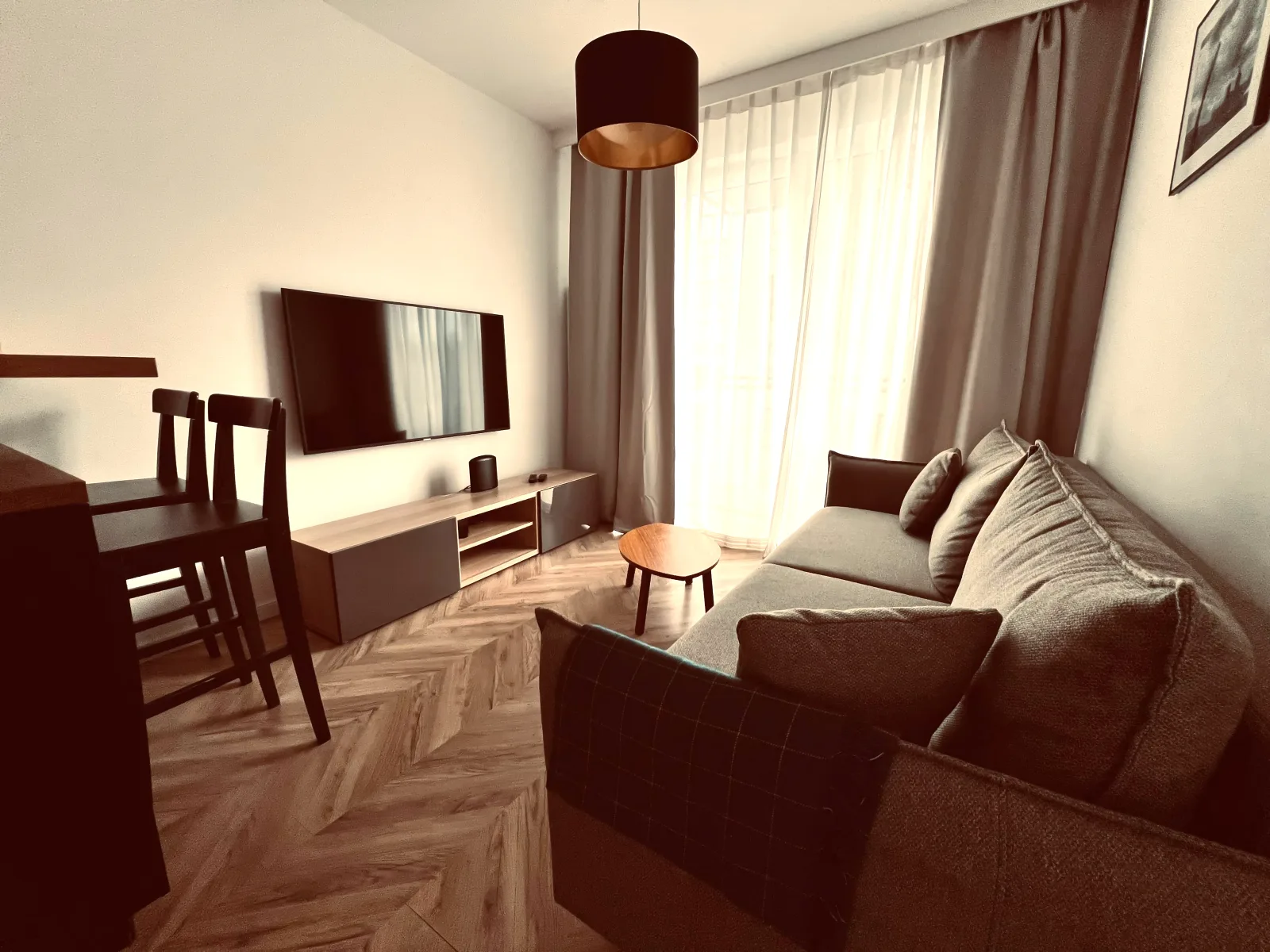
Apartament standard Bastion Wałowa
- 1 bedroom
- 2 beds
- 4 guests
- 36 m²
An apartment on Wałowa Street in the heart of Gdańsk — bedroom with a comfortable bed, fully equipped kitchen, shower bathroom. Underground garage, lift, fast Wi-Fi. No unnecessary extras — with an address that speaks for itself. Długi Targ 7 minutes on foot, Main Railway Station 350 metres, tram to Letnica and the beach 15 minutes. The best price-to-location ratio in the entire Bastion Wałowa complex.
Liked these topics?
Monthly guide to Gdańsk — events, new places, our apartments and their availability. No spam, just one email.
Related posts
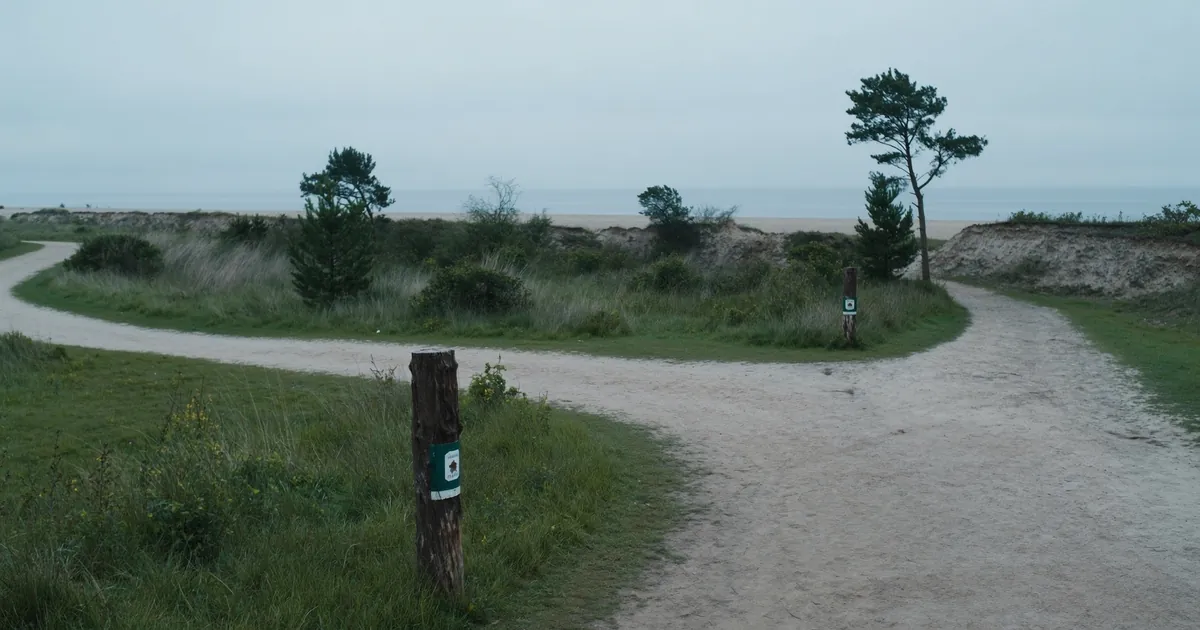
Westerplatte from Gdansk – How to Get There & Time to Plan
Get to Westerplatte by bus, boat, or car – compare transport options, tickets, visiting time, and a half-day itinerary with September 1939 history in Gdansk, Poland.
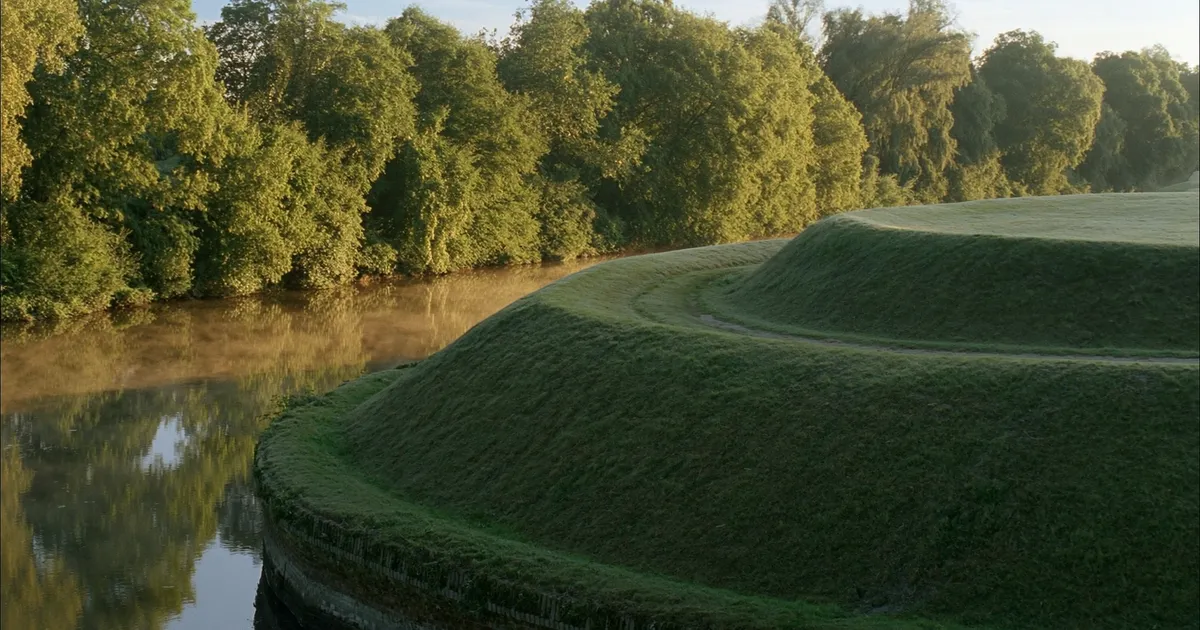
Dolne Miasto in Gdansk — What to See Away from the Old Town Crowds
The bastions, Śluza Kamienna and the Opływ Motławy canal — minutes from Długi Targ, barely in guidebooks. What to see and where to start the walk.
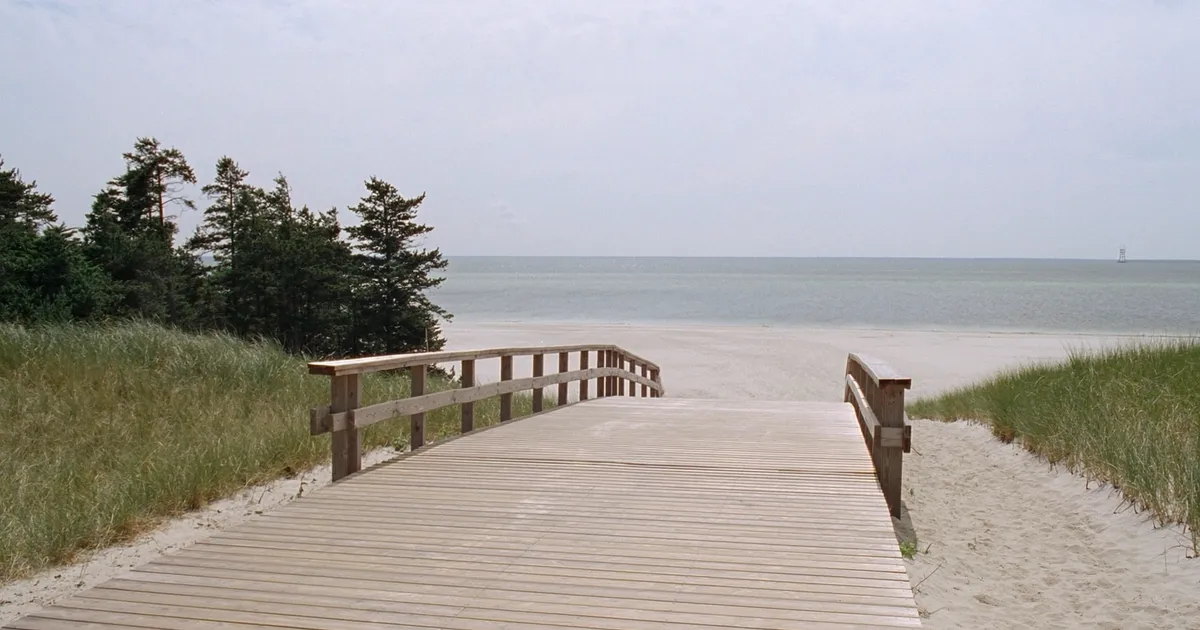
Gdansk for People with Disabilities — A Barrier-Free Guide
Transport, the Old Town, beaches, and museums with lifts — a tested guide to accessibility in Gdansk for people with disabilities and reduced mobility.